




Physical or Digital Event Passes? Why Tangible Connections Will Always Win.
In the rapidly evolving world of event management, technology has touched almost every aspect of how we meet up and interact with one another. Naturally, this digital revolution is having an impact the registration desk at events, sparking a massive debate among organisers: Should we stick to physical event badges, or make the leap to digital attendee passes?
It’s a great question to be asking. Both options bring distinct advantages to the table, but they also come with their own sets of challenges. If you’re deciding how your attendees will identify themselves at your next conference, trade show, or festival, here is a breakdown of the physical vs digital divide—and why the classic physical badge still holds the top spot for facilitating real human connection.
The Digital Attendee Pass: The Modern Contender
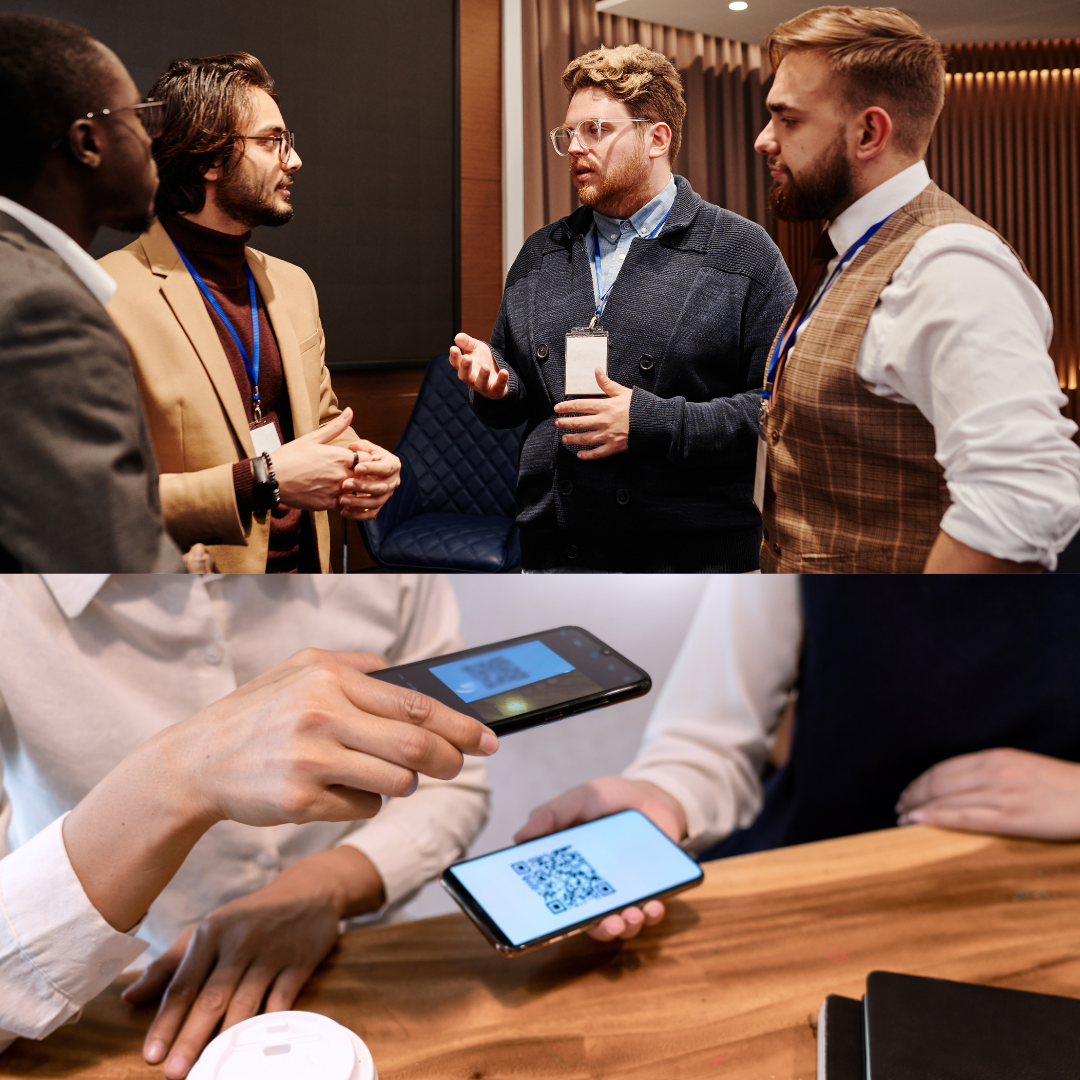
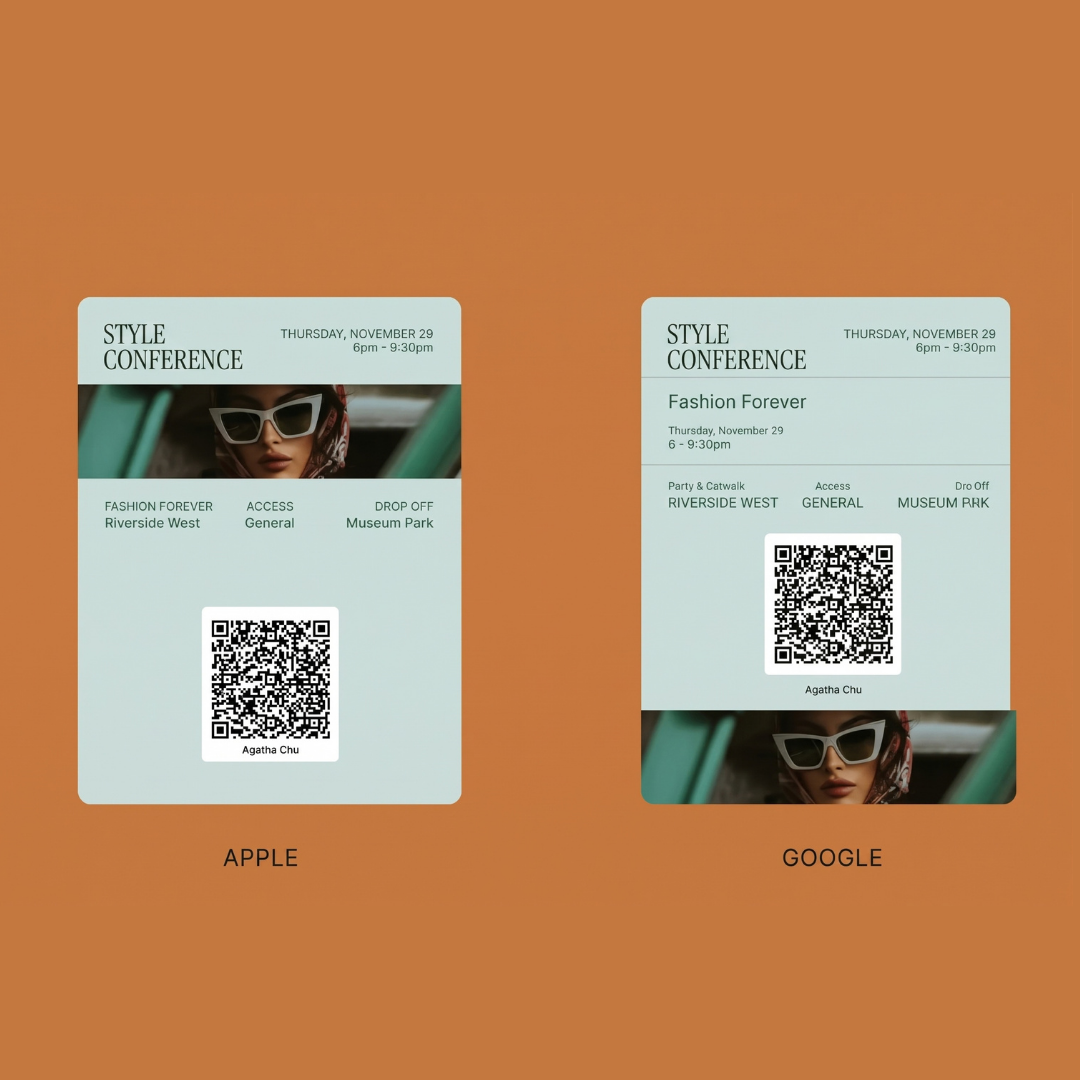
Digital passes—usually a QR code or NFC pass stored in a smartphone wallet or event app—have gained popularity for their streamlined, tech-forward approach.
The Benefits:
- Instant Updates: If an attendee changes their schedule or upgrades their ticket, their digital pass updates automatically without admin or wait times.
- No Printing Queues: Attendees should be able to walk right in and scan their phones, eliminating the need for on-arrival printing or badge-pickup tables.
- Eco-Friendly Potential: Without physical materials, digital passes can reduce the immediate waste associated with single-use plastics and paper (though bear in mind that the carbon footprint of data storage and app development is a hidden factor).
The Costs & Negatives:
- The Networking Barrier: This is the digital pass's biggest flaw. You can’t read a smartphone tucked in someone’s pocket. To find out who someone is, you need to ask them to present their digital profile, which can feel transactional and forced.
- Battery Life: A digital pass is only as good as the smartphone holding it. If a phone dies halfway through a long conference day, the attendee loses their identity and access to areas or keynote speeches.
- The "Friction" of Access: Unlocking a phone, finding the specific app or wallet, and holding it under a scanner often takes longer than simply walking past a security guard with a visible physical badge.
The Physical Event Badge: The Champion of Connection
Physical badges have been at the centre of events for decades, and for a very good reason: they work seamlessly with human nature.
The Benefits:
- The Ultimate Icebreaker: A well-designed physical badge is a pre-written, guaranteed social interaction. When you can see someone’s name, company, and role from a few feet away, it removes any awkwardness of cold introductions. "Oh, you're with [Company]? I was just reading about your recent launch!"—that conversation doesn't happen without a visible badge, as you struggle to know who anyone is!
- Always On, Zero Battery Required: A physical lanyard never crashes, doesn't require Wi-Fi to load, and never runs out of battery. It is a 100% reliable source of identification.
- Brand Visibility: A beautifully designed badge and a branded lanyard turns every attendee into a walking billboard. It elevates the aesthetic of the event and creates a professional atmosphere.
- The Souvenir Effect: People love holding onto tangible memories. A high-quality physical badge often ends up pinned to office noticeboards or kept in desk drawers, keeping your event in the attendee's mind long after they leave on the last day.
The Costs & Negatives:
- Upfront Production: Physical badges require design, printing, and shipping, which means allocating a portion of your event budget to them.
- Logistics: Managing on-site printing or pre-event sorting requires staff and time.
- Environmental Concerns: Traditional plastic covers and synthetic lanyards can create waste which is attached to your event’s reputation. (Note: This is significantly negated today by choosing eco-friendly, recyclable, or seeded-paper badges that align with sustainable event goals!)
Turning a Badge into a Connection Toolkit
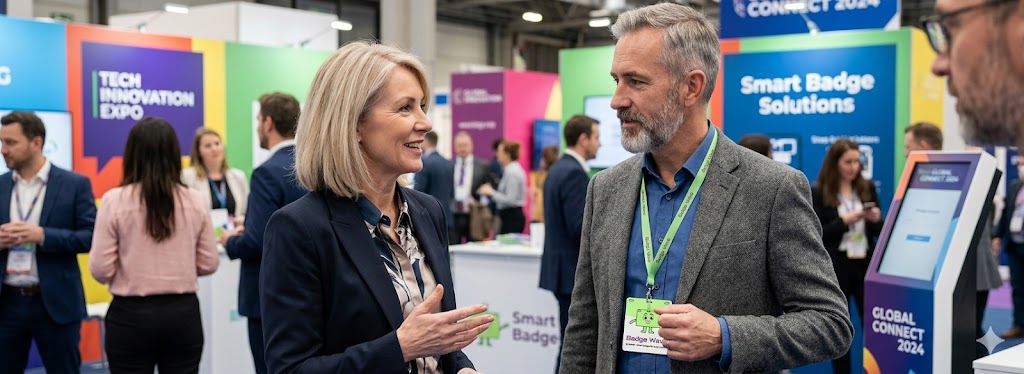
A physical badge is prime real estate. When designed thoughtfully, it becomes much more than just a name tag—it transforms into a powerful toolkit for attendee experience and interaction. Here are just a few ways physical passes actively foster connection:
- Creating a Sense of Belonging: A premium, well-crafted badge feels less like a corporate requirement and more like a VIP pass. When attendees wear a high-quality physical item, it creates a shared identity and an immediate sense of belonging to an exclusive community.
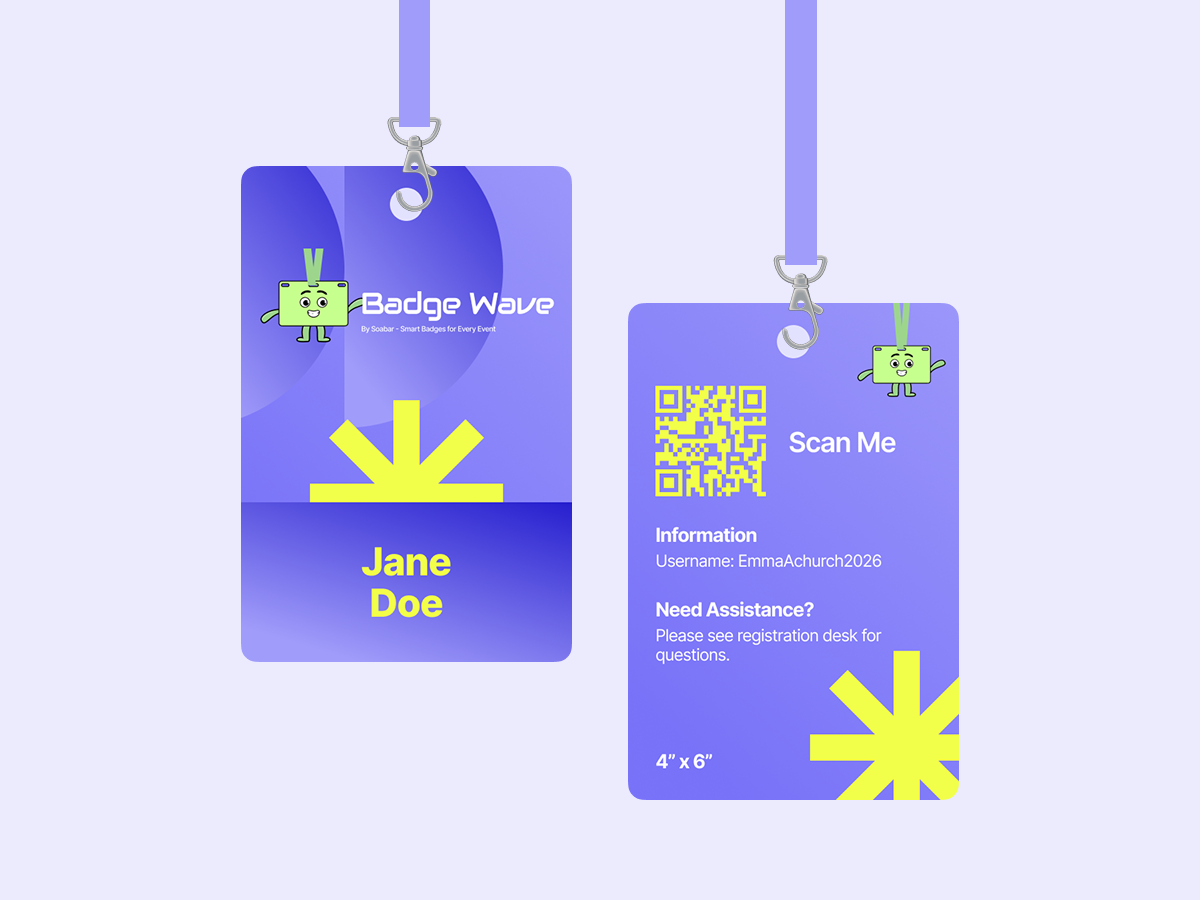
- Frictionless Practicality: The back of a badge is the perfect place to print the event Wi-Fi login, a QR code linking to the live schedule, or a mini map of the venue. By putting this crucial info around their necks, attendees don’t have to constantly dig out their phones—which is often difficult when their hands are full of samples, bags and marketing materials from the various stands they’ve vistited.
- Conversation Starters and Ribbons: Physical badges allow for quick, visual add-ons. Coloured ribbons indicating "First-Time Attendee," "Speaker," or "Looking to Hire" instantly signal an attendee's goals.
- Colour-Coded Communities: Using different coloured lanyards or badge backgrounds to denote different industries, roles, or interests allows attendees to visually scan a crowded room and instantly identify who they want to prioritise connecting with.

Why Tangible Beats Digital
Ultimately, people attend events to connect with other people. They don't attend to interact with screens—they do enough of that every day at their desks.
When you replace a physical badge with a digital pass, you inadvertently raise the barrier to entry for spontaneous networking. The beauty of a physical pass lies in the "glance and greet." It facilitates eye contact. It allows a passing attendee in a coffee queue to spot a potential client, a future employer, or a new industry friend without needing to scan a QR code first.
Digital passes are fantastic for access control, but they’re terrible for community building- which is exactly what an in-person event is designed to do. A physical badge isn't just a ticket; it's an attendee's identity for the duration of your event.
💡 Ready to Design Your Next Badge?
Explore our range of premium, customisable, and eco-friendly event badges designed to make your next trade show, conference or festival unforgettable.
Speak to our friendly, knowledgable team if you have questions about how to integrate technology and/or software into your physical badge printing and event check-in process, or have further questions about what badge size and materials you should choose for your next event.
- October 2, 2026

FAQS
Frequently Asked Questions
This will depend on what you want to print onto your badges on the day of your event. Our thermal tickets are designed to be printed on the Zebra range of printers, namely the ZD621 and GK420D. These printers will print your data and text in a single colour. Our Inkjet tickets are designed to be printed on the Epson C3500 and C4000 range of printers, which both allow for full-colour on the day printing.
Direct thermal technology uses a heat-sensitive coating to create clear, high-quality text or images from a single-colour printer, offering a simple and efficient printing solution without the need for ink or toner. Our Inkjet material is specially coated to allow a CMYK print process in full colour.
Typically, our on-site printers will accept any badge width up to a 4” wide. The most common size for an event badge is 4” x 12”, which folds to 4” x 6” double sided.
You can view our artwork requirements on the downloadable, editable templates on each product page.
Yes this is possible! We would just need a good understanding of your event, your branding guidelines, what is required to be printed on the badge and the logo(s) that you wish to feature. Email us at: BadgeWave@soabar.co.uk